
Best Gin Mixers for Low-Carb Botanical Cocktails | New Recipes
There is a reason gin is experiencing a modern renaissance. Gone are the days when it was viewed as a harsh, medicinal spirit that tasted purely like liquid pine needles. Today, mixology has evolved to embrace complex, garden-inspired flavors. Sophisticated drinkers are moving away from overly sweet simple syrups and looking for ways to craft aroma-forward, botanical cocktails with zero refined sugar and low net carbs.

Quick Summary: Key Takeaways for Botanical Gin Drinks
- Glassware: Use a Copa de Balon (balloon glass) to trap floral aromatics and provide space for plenty of ice.
- Low-Carb Solution: Swap heavy simple syrups and sugary mixers for low-sugar, plant-based flower-infused mixers (<1g net carb).
- Garnish Technique: Express citrus peels or gently "slap" herbs like rosemary to release aromatic essential oils without bitterness.
- Instant Botanical Flavor: Blend 1 part standard gin with 1 part clean-label flower elixir and 1 part sparkling water or tonic.
Whether you are a beginner or looking to elevate your home bar, this guide shows you how to unlock the true potential of gin using low-carb, natural botanical mixers.
How to Drink Gin the Right Way: A Beginner’s Guide
If you are new to this spirit, staring at a bottle of London Dry can feel intimidating. Many worry that the heavy juniper-forward flavor will overwhelm their palate. But learning how to drink gin properly is all about balance, temperature, and using the correct glassware.
To enjoy gin like a true connoisseur, keep these three golden rules in mind:
- The Copa de Balon (Balloon Glass): Ditch narrow highball glasses. Master mixologists serve gin in a large, balloon-shaped glass. The wide bowl traps delicate floral and herbal aromas, directing them straight to your nose while leaving plenty of room for ice.
- Ice is Your Best Friend: Use large, solid ice cubes rather than crushed ice. Large cubes melt slower, keeping your cocktail ice-cold without diluting complex spirit botanicals.
- The Golden Ratio: For a classic G&T, the gold standard ratio is 1:2 or 1:3 (one part alcohol to two or three parts mixer). This ensures the spirit shines through without overpowering the beverage.
The Art of Aromatic Garnishes
The secret to world-class botanical gin cocktails lies in the garnish. In professional mixology, garnishes are functional elements designed to release essential oils that complement distilled botanicals.
By choosing the right floral or herbal elements, you can elevate your drink:
- Smacked Rosemary: Gently clap a fresh sprig of rosemary between your hands before placing it in your glass. This breaks capillary walls, instantly releasing woodsy essential oils.
- Expressed Citrus Peels: Twist a strip of grapefruit or lemon peel over the glass to spray vibrant citrus oils onto the drink surface, then drop it in.
- Dehydrated Flower Buds: Floating a single rosebud or lavender pinch slowly infuses delicate aromas into the foam or ice layer.
3 Simple Low-Carb Botanical Gin Cocktail Recipes
You do not need complicated homemade syrups or excess sugar to enjoy high-end cocktails at home. These three low-carb recipes are simple, fast to assemble, and highlight pure herbal and floral notes.

1. The Rose & Rosemary Gin Fizz
This woodsy, refreshing cocktail brings herbal complexity and romantic floral notes to a classic fizzy template with zero refined sugar.
-
Ingredients:
- 2 oz Gin
- 0.25 oz Fresh Lemon Juice
- 2 oz Jardin Rose Cocktail Mixer for Gin (replacing ordinary simple syrup)
- Sparkling Water
- Fresh Rosemary sprig
- Method: Shake gin, fresh lemon juice, and Jardin Rose Infused Mixer with ice. Strain into a Copa de Balon glass over fresh ice. Top with sparkling water, stir gently to swirl the natural mineral shimmer, and garnish with a smacked sprig of rosemary.
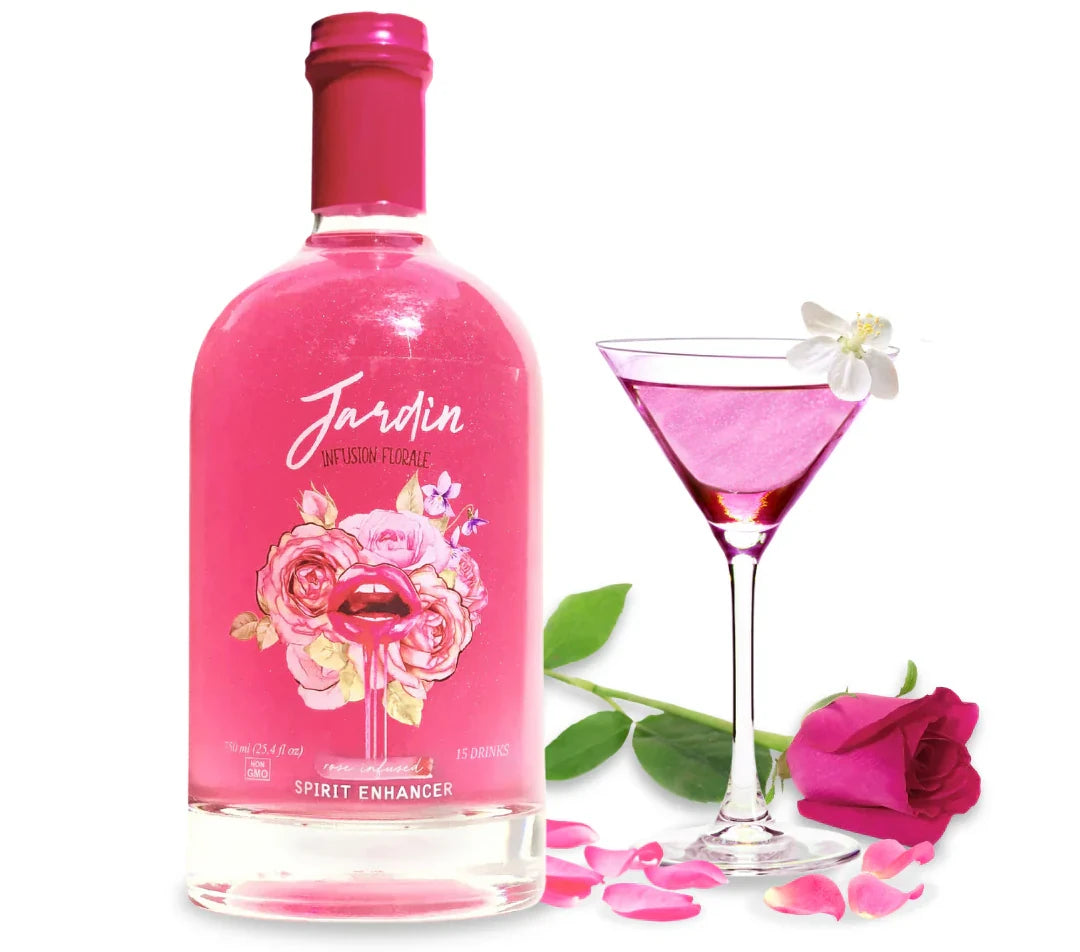
Jardin Rose Infused Mixer
Zero Refined Sugar • <1g Net Carb • Delicate Floral Rose Petal Notes
2. The Jardin Floral Gin & Tonic
A premium twist on the classic G&T, using pure plant-based flower infusions instead of sugary sodas to highlight the gin profile.
- Ingredients: 2 oz Gin, 2 oz Jardin Lavender Cocktail Mixer for Gin or Rose Cocktail Low-Carb Elixir, 4 oz Premium Low-Sugar Tonic or Sparkling Water.
- Method: Fill a Copa de Balon glass with large ice cubes. Add gin and your choice of Jardin flower-infused mixer. Top with sparkling water or low-carb tonic, stir gently, and garnish with an expressed lemon wheel.
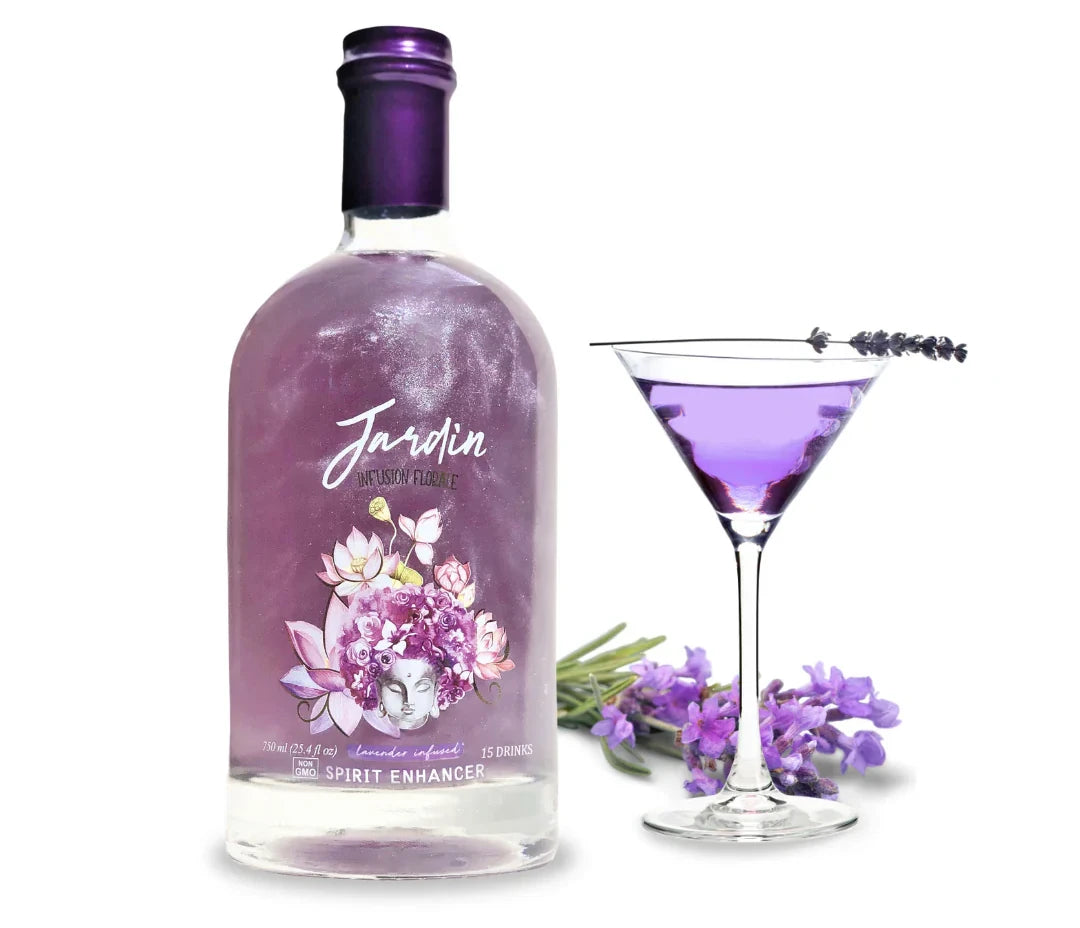
Jardin Lavande Infused Mixer
Zero Refined Sugar • <1g Net Carb • Pure Lavender & Botanical Aroma
3. The Low-Carb Botanical Southside
Crisp, bright, and clean with nectar-like honeysuckle notes.
- Ingredients: 2 oz Gin, 0.25 oz Fresh Lime Juice, 2 oz Jardin Honeysuckle Cocktail Mixer, 6-8 Fresh Mint Leaves.
- Method: Lightly muddle mint leaves in your shaker with lime juice and Jardin Honeysuckle Mixer. Add gin and ice, shake vigorously, and double-strain into a chilled coupe glass. Garnish with a slapped fresh mint leaf.
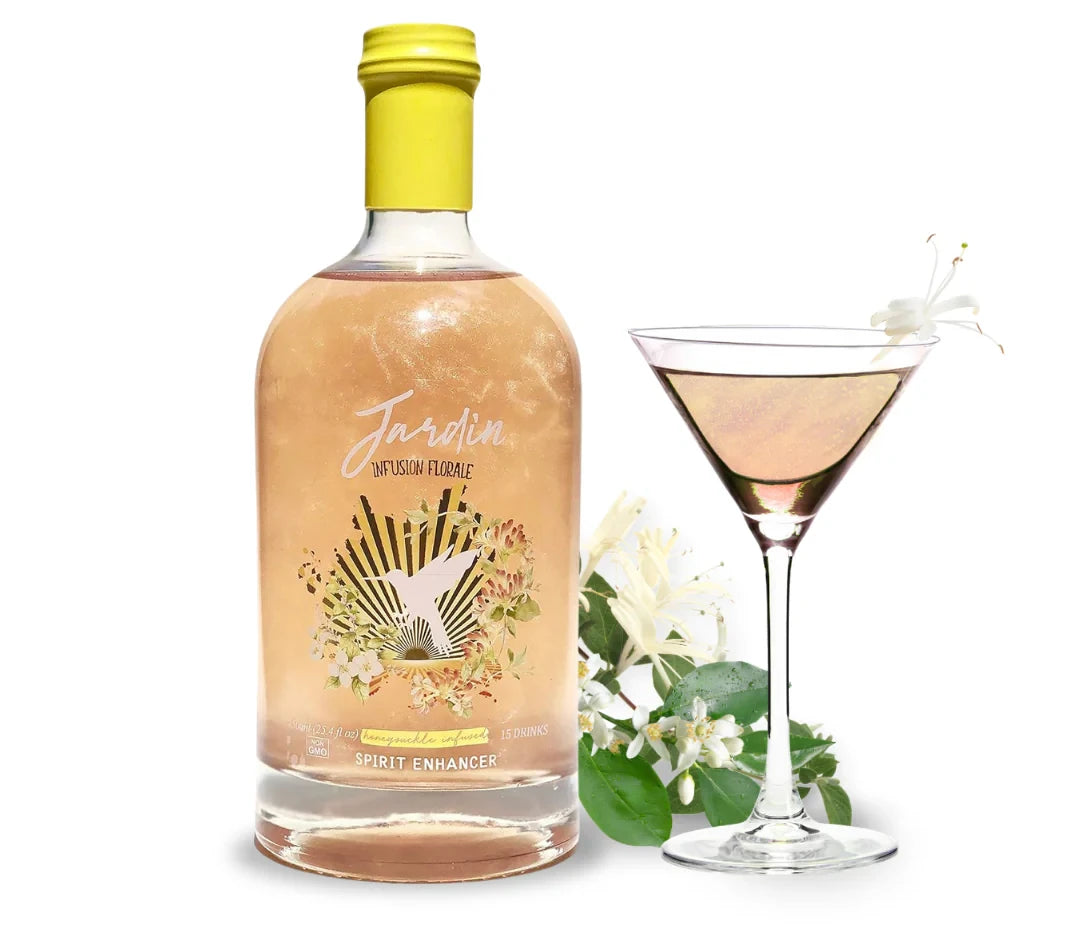
Jardin Honeysuckle Infused Mixer
Zero Refined Sugar • <1g Net Carb • Wild Honeysuckle Blossom Notes
Drawing on her expertise as a seasoned mixologist, Jardin founder Meghan Buchert recommends this versatile ratio for balanced low-sugar drinks:
"I generally prefer a ratio like this: equal parts alcohol, Jardin, and a top-up (still or sparkling water, ginger ale, ginger beer, kombucha, or lemonade), plus 1/4 oz of fresh-squeezed juice. If a recipe calls for a classic, strong addition of acid like 3/4 oz or 1 oz, it will almost always require 1 oz of simple syrup (optional)."
For Advanced Mixologists: The World of Flower Infusions
Once comfortable with basic ratios, you may want to experiment with custom flavor profiles. Crafting flower-infused gin is a creative way to personalize your bar.
You can create a custom base through rapid home infusion: add organic dried lavender buds or culinary rose petals to London Dry gin. Let it steep in a cool, dark place for 24 hours, strain out solids, and enjoy custom lavender or rose gin.
A Quick Mixology Shortcut: While home-infusing spirits is fun, dried flowers can easily over-extract, leaving drinks tasting bitter or soapy. To save time and achieve consistent flavor, use pure, clean-label mixers for gin. Instead of spending days infusing alcohol, adding a splash of Jardin organic flower elixir provides immediate floral balance in under a minute.
For more low-sugar drink recipes and to explore our pure flower-infused mixers for herbal cocktails, visit our full low-sugar cocktail mixer collection.
Instant Botanical Gin: A Premium Pour in 5 Seconds
Adding Jardin clean mixers to standard gin delivers the multi-dimensional profile of craft botanical gin without complex distillation processes.
Thanks to natural botanical extracts, Jardin mixers act as a low-carb flavor layer that:
- Softens sharp, piney alcohol bitterness.
- Unlocks nuanced floral, citrus, and herbal notes.
- Transforms standard juniper gin into a craft-style bouquet without added sugars.
You do not need expensive specialty gin bottles to enjoy high-end aromas. Simply mix:
- 1 part standard gin
- 1 part Jardin elixir
- 1 part sparkling water or tonic
- Garnish with a rosemary sprig or lemon peel.
A Quick Distinction:
- Authentic Botanical Gin: A spirit (40%+ ABV) distilled directly with botanicals in copper pot stills.
- The Jardin Method: Crafting a botanical gin cocktail using plant-based mixers. It offers complete control over sweetness, net carbs, and flavor balance.
What Are Botanical Gins?
Botanical gin is a modern style where diverse botanicals are introduced during pot still distillation.
By definition, all gin contains juniper berries for piney aroma. However, modern distillers introduce complementary elements during distillation:
- Roots and spices: coriander, cardamom, angelica root, cinnamon.
- Citrus peels: lemon, orange, grapefruit.
- Flowers and herbs: lavender, rose, chamomile, rosemary.
Flavor Profile Comparison
| Classic Gin | Botanical Gin |
|---|---|
| Pine-forward with sharp, dry juniper notes (e.g., Beefeater, Tanqueray). | Floral, herbal, or citrus-forward. Juniper is balanced by complex aromatic botanicals. |
| Ideal for a traditional Dry Martini. | Ideal for light, low-carb cocktails where subtle floral notes shine. |
Frequently Asked Questions
Are botanical gin cocktails low-carb?
Yes, traditional gin contains 0g net carbs. By pairing gin with low-carb, zero-refined-sugar mixers like Jardin Infusions and sparkling water instead of high-sugar simple syrups, you can enjoy botanical cocktails under 1g net carb.
What are the best low-carb mixers for gin?
The best low-carb mixers for gin include sparkling water, club soda, sugar-free tonic water, and natural botanical mixers infused with flowers and herbs like rose, lavender, or honeysuckle.
How do you make a gin cocktail less bitter without adding simple syrup?
You can soften gin's piney bitterness by adding zero-sugar floral elixirs, fresh citrus juice (lemon or lime), or expressing citrus oils over the glass rather than using heavy, high-calorie simple syrup.
Further Inspiration:
The Botanical Cocktails: Redefining Plant-Based and Floral Mixology